WEHN’s Annual Conference on Health and the Environment
NEW location this year: UW Madison Arboretum Visitor Center
WEHN’s annual The Health & Environment Series; Making the Connection conference highlights the connection between health and the environment. It provides a unique education experience for health professionals, students, and academics to learn about current scientific research, public health implications, and clinical correlations surrounding environmental issues in Wisconsin. This event will be in-person and virtual, and CE credits will be offered.
This year we are also offering a unique opportunity to have a conversation about fluoride practices with Bruce Lanphear MD, MPH. His talk, The end of fluoridation? A new look at an old public health experiment, will explore the history, science, and ethics of fluoridation, what we have learned, what remains uncertain, and what the future may hold for this public health practice. This event will be in-person only.
For further inquiries, please contact wehnmail@gmail.com!
March 5
Featured Speaker
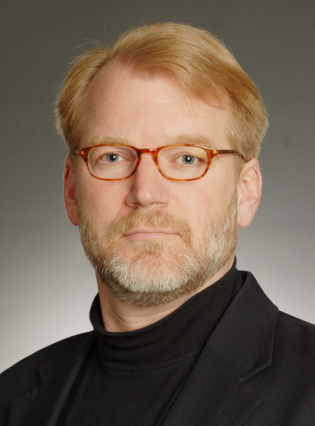
Bruce Lanphear, MD, MPH – Dr. Lanphear is a clinician scientist at the BC Children’s Research Institute and a professor in the Faculty of Health Sciences at Simon Fraser University. For more than 25 years, his research has examined the effects of toxic environmental exposures on children’s health, particularly during early brain development, with a focus on lead, pesticides, mercury, PCBs, and other neurotoxins. He has led studies used by federal agencies to set standards for lead in air, water, and housing and to conclude that no level of lead exposure is safe. Dr. Lanphear serves on the US EPA science advisory panel for the national air lead standard and leads community-based research and public education efforts linking environmental conditions to disease prevention.
Topic: The end of fluoridation? A new look at a public health experiment
Follow Dr. Lanphear on Substack
March 6
Featured Speakers

Tamarra James-Todd, MPH, PhD – Professor of Environmental Reproductive Epidemiology; Environmental Health, Harvard T.H. Chan School of Public Health. An epidemiologist, her research focuses on improving women’s reproductive and long-term health by examining the effects of environmental chemical exposures, addressing racial and ethnic disparities in those exposures, and developing pregnancy and postpartum interventions to reduce chronic disease risk. Her work centers on endocrine-disrupting chemicals and their role in pregnancy complications, explores how environmental exposures contribute to health disparities, and includes translational research on diabetes and pregnancy, using large cohort studies and clinical collaborations to inform prevention and intervention strategies.
Topic: Regulatory Deficiencies for Phthalates/Toxins in Beauty Products and Health Disparities
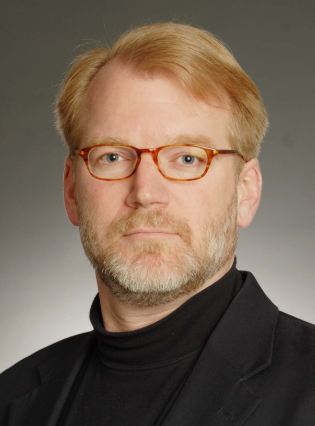
Bruce Lanphear, MD, MPH – Dr. Lanphear is a clinician scientist at the BC Children’s Research Institute and a professor in the Faculty of Health Sciences at Simon Fraser University. For more than 25 years, his research has examined the effects of toxic environmental exposures on children’s health, particularly during early brain development, with a focus on lead, pesticides, mercury, PCBs, and other neurotoxins. He has led studies used by federal agencies to set standards for lead in air, water, and housing and to conclude that no level of lead exposure is safe. Dr. Lanphear serves on the US EPA science advisory panel for the national air lead standard and leads community-based research and public education efforts linking environmental conditions to disease prevention.
Topic: Collateral Damage: Exposing the Hidden Toll of Toxic Chemicals
Follow Dr. Lanpher on Substack
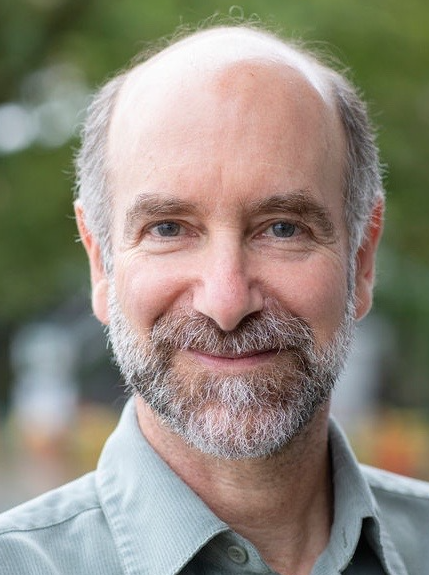
Jonathan Patz, MD, MPH – Dr. Patz is the Vilas Distinguished Achievement Professor and John P. Holton Chair of Health and the Environment at the University of Wisconsin–Madison. He has been a leader in climate and health research since 1996 and served as Health Co-Chair of the first US National Climate Assessment and as a lead author for the United Nations Intergovernmental Panel on Climate Change, which received the 2007 Nobel Peace Prize. Dr. Patz directs the NIH-funded Center for Health, Energy and Environmental Research, previously served as the inaugural director of UW–Madison’s Global Health Institute, and is an elected member of the National Academy of Medicine, with numerous honors recognizing his contributions to public health, global health, and environmental research.
Topic: Climate Change: Where Can We Make a Difference in Changing Times
Learn more about Climate Solutions for Health.
Panel
Brittany Keyes, DPT – Clean Air Policy Manager, Healthy Climate Wisconsin
Topic: Community Organizing and Methane Plants in Kenosha and Superior
Emily LuyTan – Board Member Wisconsin Environmental Health Network
Topic: Community Organizing and Data Centers - Environmental Impacts including Energy Use, Water Resource Strain, Pollution
Adam Voskuil, JD – Midwest Environmental Advocates
Topic: CAFOs and Permitting in Wisconsin
Agenda
12:30-1:00p - Registration
1:00-2:00p - Bruce Lanphear, MD, MPH – Collateral Damage: Exposing the Hidden Toll of Toxic Chemicals
2:00-3:00p - Tamarra James-Todd, MPH, PhD – Regulatory Deficiencies for Phthalates and Toxins in Beauty Products and Health Disparities
3:00-3:30 Break
3:30-4:30p - Jonathan Patz, MD, MPH – Climate Change: Where Can We Make a Difference in Changing Times
4:30-5:30p - Panel discussion with local community organizers (Emily Luy Tan, Brittany Keys and Adam Voskuil)
5:30-6:30p - Networking