

Steering Committee
Henry Anderson, MD
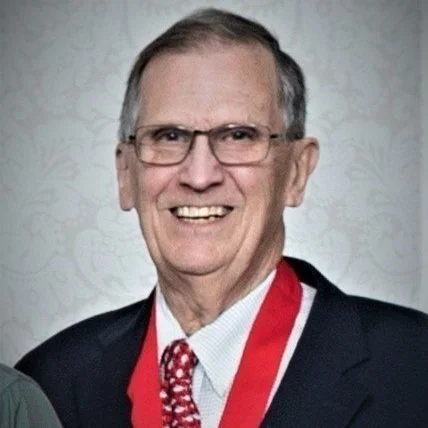
Dr. Henry Anderson is a current Adjunct Professor at the University of Wisconsin School of Medicine and Public Health and retired in 2016 from his position as a Wisconsin State Environmental and Occupational Disease Epidemiologist, and Chief Medical Officer in the Wisconsin Division of Public Health, Department of Health Services.
He has conducted public health population surveillance and numerous epidemiological studies, most recently using biomarkers of chemical exposure working closely with multiple state public health agencies and laboratories. He has authored over 285 publications.
Dr. Anderson currently serves as Chair of the Presidential Advisory Board on Radiation Worker Compensation. He is a fellow of the Collegium Ramazzini and the American Association for the Advancement of Science. He is associate editor of the American Journal of Industrial Medicine. Throughout his career he has supported volunteer advocacy organizations both nationally and within Wisconsin.
Ann Behrmann, MD
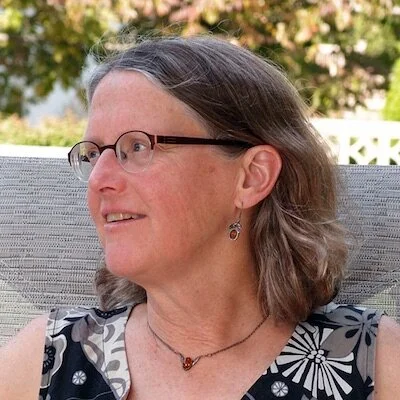
Dr. Ann Behrmann is a retired pediatrician for Group Health Cooperative of South Central Wisconsin, an Honorary Fellow in the Department of Pediatrics at the UW School of Medicine and Public Health, and on the Board of Visitors at the UW-Madison Global Health Institute. She is the past Program Director for the American Academy of Pediatrics’ International Community Access to Child Health (ICATCH) grants program. She continues to work on quality improvement initiatives and grant review and advising.
Dr. Behrmann is interested in a wide variety of child health issues, including development of the Global School Health Toolkit and consulting on disabled children in low resource settings (Chingari Trust).
Her interest in environmental health began when her patients who lived adjacent to the Badger Army Ammunition Plant in Baraboo, WI asked for help looking at the connection between health problems and contamination of their well water with volatile organic compounds. She has worked for decades with Physicians for Social Responsibility Wisconsin in Madison on abolition of nuclear weapons, violence prevention and now environmental health issues with the Wisconsin Environmental Health Network.
Susan Davidson, MD
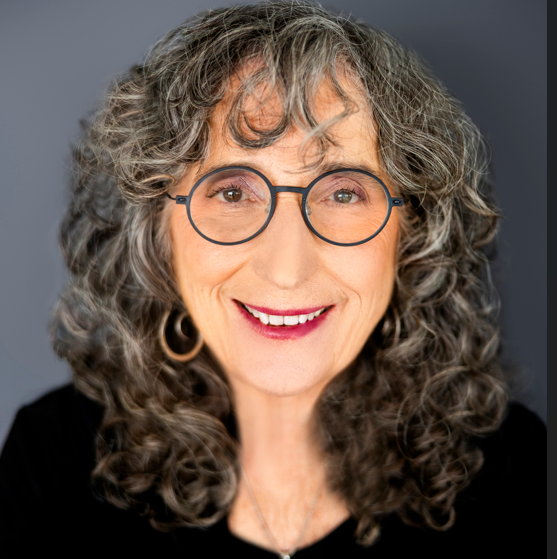
Dr. Susan Davidson is an obstetrician specializing in Maternal-Fetal Medicine (high-risk obstetrics). She has devoted her career to improving the perinatal outcomes for mothers and their children. After completing her medical training and residency at Albert Einstein College of Medicine, she came to Wisconsin to complete her fellowship in 1986 and has been a dedicated Badger since.
As a consequence of her clinical work diagnosing birth defects, Dr. Davidson became concerned about environmental influences on birth defects. This led to a broader interest in the effects of the environment on human health. She has lectured throughout the state on this issue and has testified before the legislature and Wisconsin Natural Resources Board. She currently serves as Chair of the Wisconsin Birth Defects Advisory Council, President of the Board of Midwest Environmental Advocates, and on the boards of the Wisconsin Environmental Health Network and Beyond Plastics, Madison. She received the 2025 Callen-Leonard Award from the Wisconsin Association for Perinatal Care for making in a significant difference in the lives of mothers, infants and families in Wisconsin.
Daniel Deuel, PT, DPT, MEd, MPH
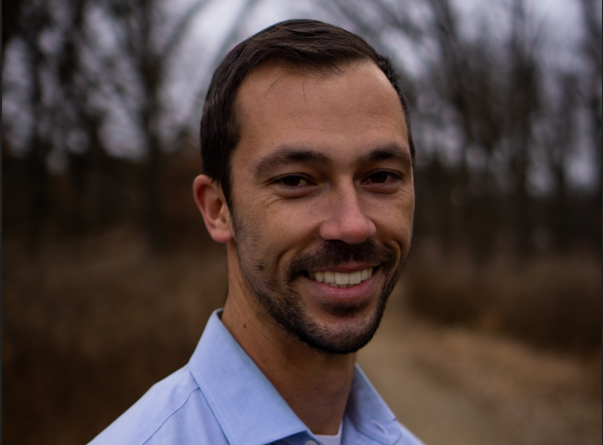
Dr. Daniel Deuel is a physical therapist at UW Health Pain Management in Madison. He holds a Doctor of Physical Therapy and a Master of Public Health from the University of Wisconsin–Madison, as well as a Master of Education, and brings a multidisciplinary background in clinical care, public health, and education.
Dr. Deuel provides psychologically- and trauma-informed care to individuals with complex chronic pain conditions, including hypermobility spectrum disorders and Ehlers-Danlos syndromes. His interest in environmental health was shaped by early work with children as a science teacher and by caring for individuals with EDS, a population that appears particularly susceptible to environmental exposures. His work examines how environmental factors, social drivers of health, and structural barriers contribute to disability and persistent pain.
He collaborates with interdisciplinary teams and community organizations across Wisconsin to improve access to coordinated, person-centered care, and is a frequent lecturer on hypermobility, environmental and implicit bias, and the biopsychosocial model of pain.
Claire Gervais, MD
Dr. Claire Gervais, co-president of WEHN, is a Clinical Professor with the University of Wisconsin Department of Family Medicine and Community Health. She actively works on a number of environmental issues including climate change and health, reducing healthcare emissions, and pest management policy. She has also worked on eliminating triclosan use and workplace fragrance free policies.
She helped found Healthy Climate Wisconsin (formerly Wisconsin Health Professionals for Climate Action), a group of health professionals whose mission is to advocate and educate about the impacts of climate change and health. She also co-founded the Healthy Lawn Team, a non-profit organization which educates communities about the risks of lawn care pesticides. In the last 2 decades, Dr. Gervais has worked with both UW Health and the City of Madison on pesticide policy to reduce the use of pesticides.
She offers presentations on the health risks of climate change, reducing healthcare emissions, health effects of fossil fuels/transitioning to renewable energy, and health risks of pesticides to community, classroom and professional groups.
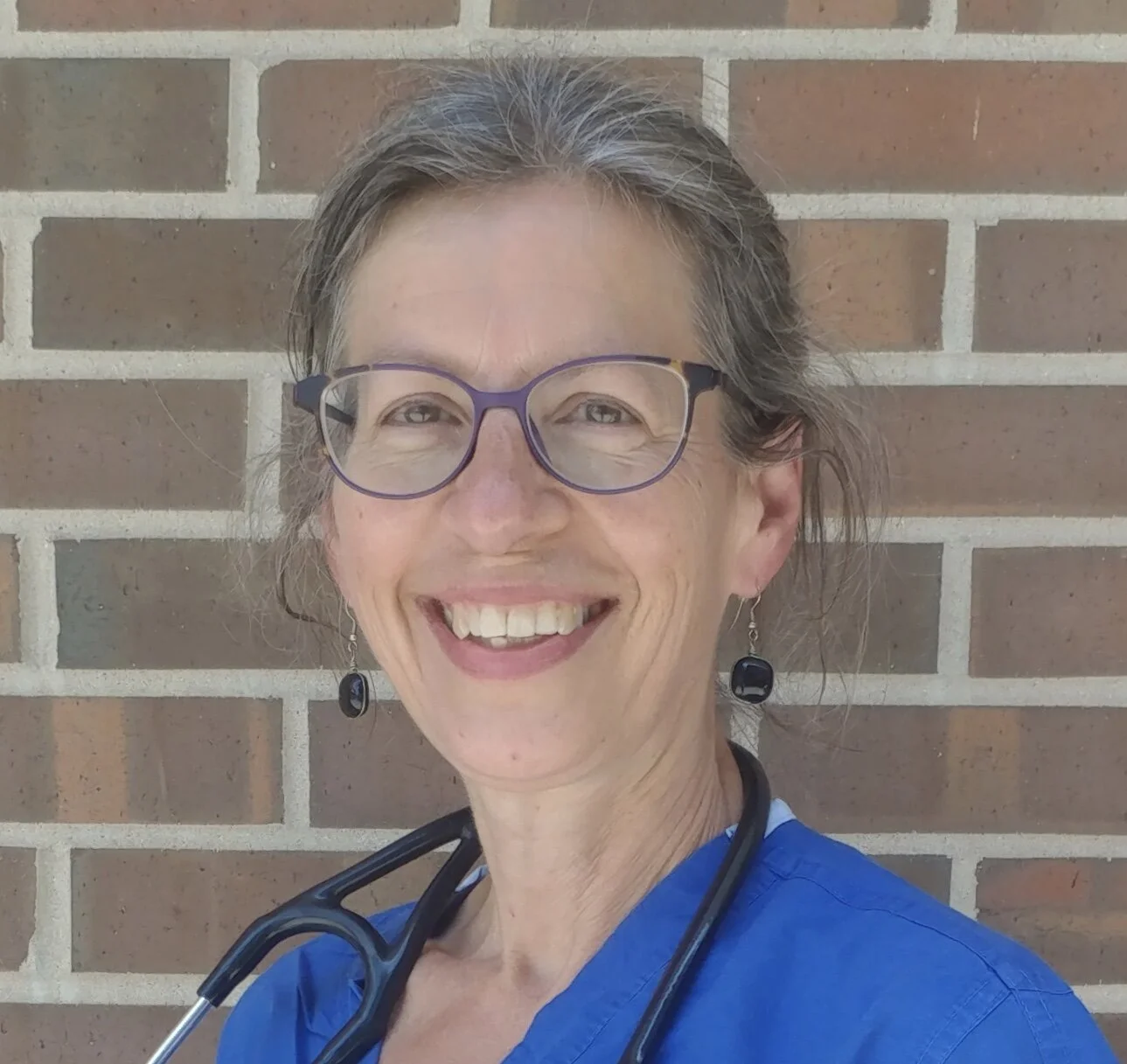

Emily Luy Tan
Emily Luy Tan is a planetary health advocate, environmental epidemiology researcher, and community organizer. Her research applies GIS mapping to critical environmental health questions, including the association between airborne industrial chemical exposure and neurodegenerative diseases, land use change and Lyme disease transmission, and the rural exposome. Through this work and her advocacy, she strives to protect rural communities’ public health as they navigate rapid infrastructure change.
Beth Neary, MD, MS
Dr. Beth Neary, co-president of WEHN, is Clinical Adjunct Assistant Professor of Pediatrics at UWSMPH. She is the Wisconsin champion for the Pediatric Environmental Health Specialty Unit, a joint venture of the American Academy of Pediatrics (AAP) and the EPA. She is also a member of the Council on Environmental Health of the AAP.
After practicing primary care pediatrics, Dr. Neary has shifted her focus to educating clinicians, citizens and legislators about the health impacts of environmental exposures, with a focus on children. She has worked with citizen groups in Middleton, Stoughton and Green Bay. Over the years, she has testified at the WI State Capitol on numerous bills related to lead, PFAS and PAH’s. She recently served on a committee with National Academy of Science, Engineering and Medicine to develop Pfas guidelines for clinicians. She has appeared on PBS Here and Now, spoken on WPR and lectured to groups across the state.
She currently teaches environmental health to medical students and pediatric residents at UW-Madison and participates in a statewide coalition on PFAS.
